
Cataract Surgery
Your eye has a clear lens through which light passes, allowing you to see. As you age, this lens slowly becomes cloudy, resulting in a cataract. For patients, this can cause a gradual reduction of vision and increase the glare from lights.
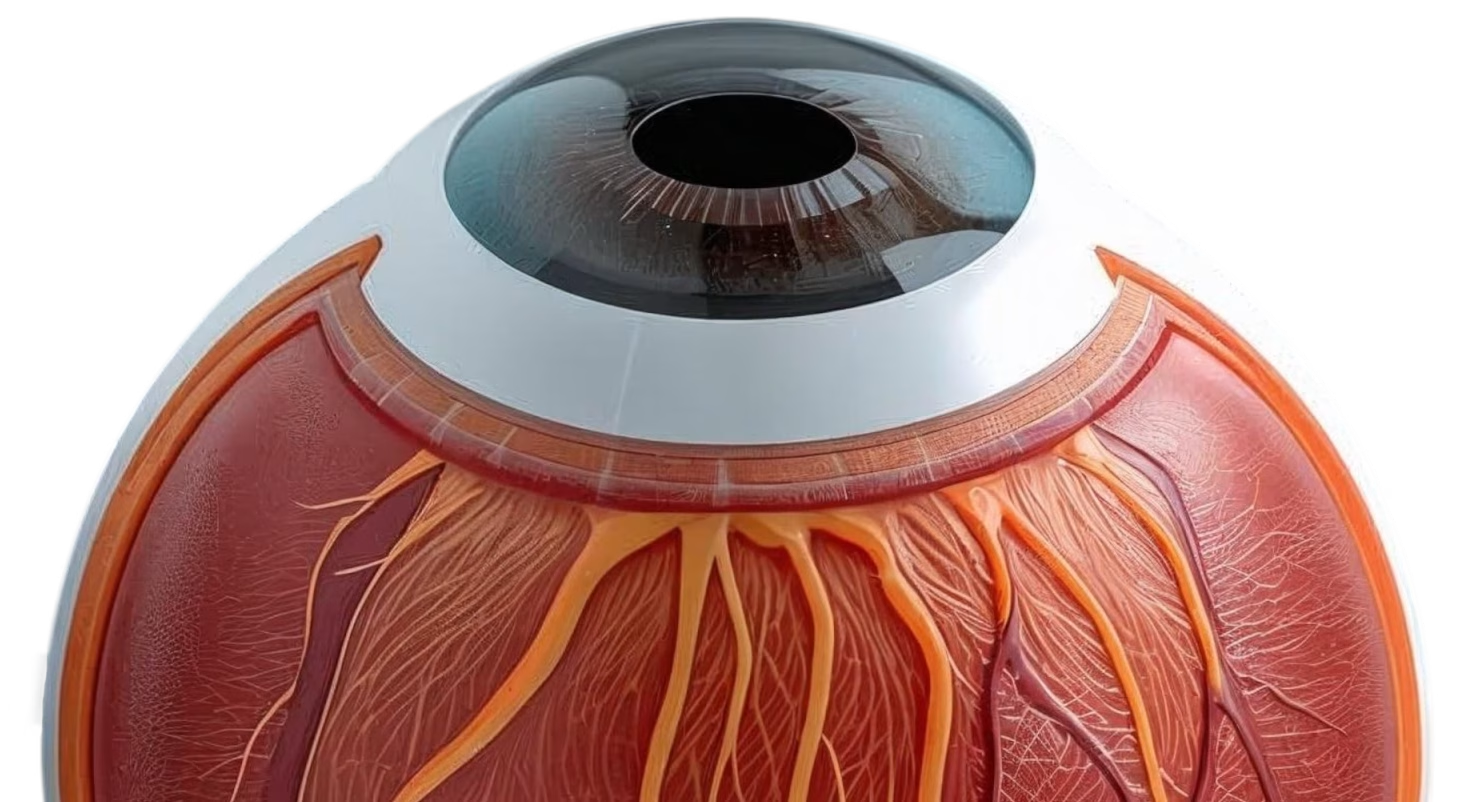
Cataract Surgery
What Is a Cataract?
Your eye has a clear lens through which light passes, allowing you to see. As you age, this lens slowly becomes cloudy, resulting in a cataract. For patients, this can cause a gradual reduction of vision and increase the glare from lights.
In younger adults, cataracts can result from an injury, certain medications, or illnesses such as diabetes. Prolonged exposure to ultraviolet light may also play a role in the formation of cataracts. Studies have also shown that people who smoke have a higher risk of developing cataracts than non-smokers. Cataracts usually develop without pain.
Treatment Options:
Vision loss from cataracts can sometimes be improved with prescription glasses and contact lenses. However, if a cataract begins to make it too difficult for you to carry out your daily activities, your doctor may recommend surgery.
Cataract surgery is one of the most performed surgeries in the world and is an outpatient-based procedure. Through minimally invasive, no-stitch surgery, our ophthalmologists remove the clouded lens, and a new artificial lens is implanted in the eye. Cataract surgery successfully restores vision in the vast majority of those who have the procedure.
Symptoms of cataracts are:
- Blurred or hazy vision
- Double vision
- Poor vision in bright lights
- Seeing halos around lights
- Yellowish-tinted vision
- Difficulty with night driving
A guided walkthrough of your entire experience.
Cataract - Frequently Asked Questions
What is cataract surgery?
Cataract surgery removes your eye’s cloudy natural lens and replaces it with a clear artificial lens (IOL). It’s a safe, outpatient procedure that improves blurry or cloudy vision caused by cataracts.
What is laser cataract surgery?
Laser cataract surgery uses advanced laser technology to assist with precise incisions and soften the cataract before removal. This can improve accuracy and reduce energy used during surgery.
Is laser cataract surgery better than traditional surgery?
Both options are safe and effective. Laser cataract surgery offers enhanced precision and advanced imaging, while traditional surgery remains highly successful. Your doctor will recommend the best option for you.
How long does cataract surgery take?
The procedure usually takes about 10–15 minutes per eye. You should plan to be at the surgery center in Denton, TX for about 2–3 hours total.
What is recovery like after cataract surgery?
Most patients notice better vision within a few days. Full healing typically takes about 3–4 weeks. You’ll use prescription eye drops and avoid heavy lifting for a short time.
Is cataract surgery covered by insurance?
Yes. Cataract surgery is typically covered by Medicare and most insurance plans. Premium lenses or advanced laser options may involve additional costs.