
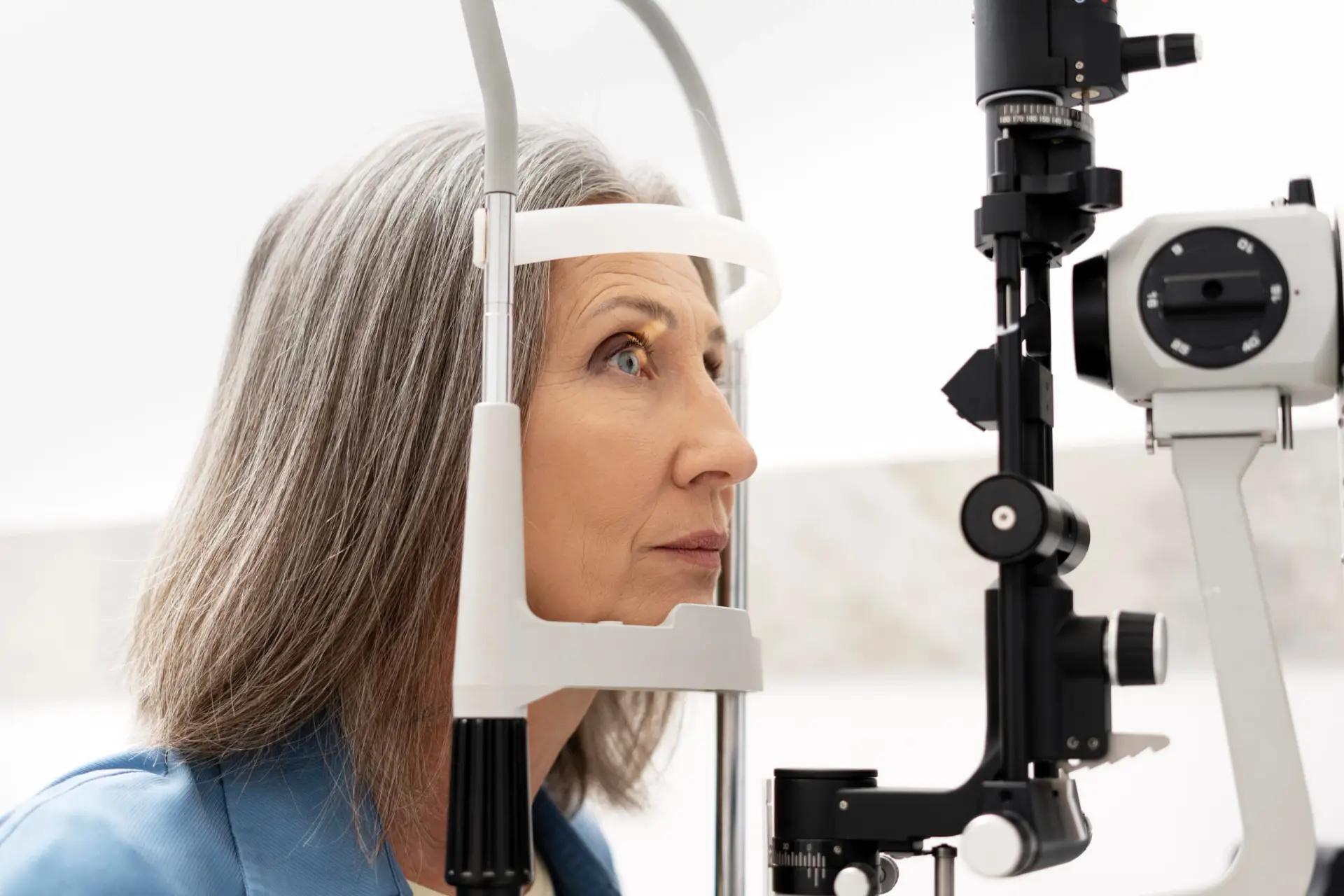
If you’re wondering how often to see an eye doctor in Denton, TX, you’re not alone. Regular eye exams do more than update your prescription—they screen for common eye diseases, check overall eye health, and help determine whether you’re a candidate for treatments like LASIK or cataract surgery. This guide explains typical exam schedules by age and risk factors, what happens during an exam, warning signs that require earlier attention, and how to prepare for a visit with an ophthalmologist in Denton.
Why regular eye exams matter
Eye exams can catch conditions before they cause noticeable symptoms. Many eye diseases—such as glaucoma, diabetic retinopathy, and early macular degeneration—progress silently. Finding problems early often means more treatment options and better long-term vision outcomes.
An eye exam also evaluates your visual needs for work, driving, or school and identifies dry eye, contact lens complications, or retina issues that may require specialized care or referral for retina care or cataract evaluation.
How often should you get an eye exam?
There’s no one-size-fits-all answer. Recommended frequency depends on age, general health, vision history, and specific risk factors. Below are common guidelines you can use as a starting point. Your personal eye doctor in Denton, TX will recommend a schedule tailored to you.
Infants and young children
- Early childhood vision screenings are important because visual development happens rapidly in the first few years of life.
- Many pediatric and eye health organizations advise an initial check within the first year of life, another around age 3, and again before starting school. These visits screen for conditions like amblyopia (lazy eye), strabismus (eye alignment problems), and significant refractive errors.
- If your child has a family history of eye disease, was born prematurely, or had other health issues, more frequent or earlier exams may be recommended.
School-aged children and teens
Children in school should have regular vision screenings and a comprehensive eye exam at least every one to two years, depending on whether they wear glasses or have vision concerns. Changes in performance at school, frequent headaches, or complaints of blurred vision warrant an earlier visit.
Adults (ages 18–59)
If you are healthy and have no symptoms or risk factors, having a comprehensive eye exam every two years is a common recommendation. Adults who wear contact lenses generally need annual exams to check for contact lens-related issues and to maintain a current prescription.
Certain life stages—such as pregnancy—can change eye health temporarily, so let your eye doctor know about pregnancy or new medications.
Seniors (60 and older)
Once you reach age 60, an annual eye exam is often advised. The risk of age-related eye conditions such as cataract, glaucoma, and macular degeneration increases with age, and more frequent monitoring can help preserve vision and quality of life.
People with chronic health conditions or risk factors
Certain medical conditions or family history increase the need for more frequent eye exams:
- Diabetes: At least once a year for dilated retinal exams to check for diabetic retinopathy.
- High blood pressure: Periodic exams to monitor for changes affecting the retina.
- Family history of glaucoma, macular degeneration, or retinal disease: Your ophthalmologist may recommend regular monitoring.
- Previous eye surgery (including cataract surgery) or eye injury: Follow-up frequency varies and should be set by your surgeon.
What happens during a comprehensive eye exam?
A comprehensive exam evaluates both your vision and the health of your eyes. Tests may vary depending on age, symptoms, and medical history, but these are the common components:
- Visual acuity test: Reading a chart to measure how well you see at different distances.
- Refraction: Determines the exact prescription for glasses or contact lenses.
- Eye pressure measurement (tonometry): Screens for glaucoma by estimating intraocular pressure.
- Slit-lamp examination: A microscope with a light to inspect the front structures of the eye, like the cornea and lens.
- Dilated fundus exam: Eye drops enlarge the pupil so the doctor can examine the retina and optic nerve for signs of disease.
- Visual field testing: Checks peripheral vision, often used when glaucoma is a concern.
- Optical coherence tomography (OCT) or retinal imaging: Detailed pictures of the retina and optic nerve may be taken when needed to monitor conditions like macular degeneration, diabetic retinopathy, or glaucoma.
Not every patient needs every test at every visit. Your ophthalmologist in Denton will select tests based on what they’re monitoring or screening for.
Preparing for an eye exam in Denton
To get the most from your visit, bring the following:
- Your current glasses and/or contact lenses.
- A list of medications, including eye drops and over-the-counter supplements.
- Any medical records or test results related to your eyes or systemic health (e.g., diabetes care notes).
- Information about vision insurance or medical insurance if you’d like the office to check coverage.
If your exam includes dilation, bring sunglasses and plan for 4–6 hours of light sensitivity and slightly blurred near vision. Someone to drive you home may be helpful if you’re uncomfortable driving with dilated pupils.
Symptoms that mean you should see an eye doctor sooner
Some changes in vision or eye comfort require prompt attention rather than waiting for a routine appointment. Contact an eye care provider right away if you experience:
- Sudden loss of vision or a new “curtain” that blocks part of your vision.
- New flashes of light or a sudden increase in floaters.
- Severe eye pain, especially with redness or nausea.
- Double vision that comes on suddenly.
- Eye injury or foreign body sensation that doesn’t improve.
These symptoms can indicate urgent conditions such as retinal detachment, acute glaucoma, infection, or other problems needing timely evaluation.
How exams relate to common eye treatments
Regular exams help determine candidacy and timing for procedures such as cataract surgery or LASIK and guide ongoing treatments like dry eye treatment or glaucoma management.
- Cataract surgery: Exams track cataract progression and how it affects your vision and daily activities. Surgery is typically recommended when vision impairment affects quality of life.
- LASIK and other refractive surgeries: A thorough preoperative evaluation confirms whether your eyes are suitable and healthy for surgery. Some conditions—like severe dry eye or unstable prescriptions—may delay or rule out candidacy.
- Glaucoma care and retina care: These conditions require regular monitoring; frequency depends on disease severity and treatment response.
Only an in-person examination can determine whether a specific treatment is appropriate for you.
Risks, limitations, and what exams won’t do
An eye exam is a diagnostic tool, not a treatment. It can detect or monitor many problems, but it cannot prevent all vision loss. Some important points:
- Tests can have false positives or negatives; unusual findings may require repeat testing or referral.
- Dilation can temporarily affect your vision; plan to avoid driving if you feel unsafe afterward.
- Not every change in vision requires surgery; many conditions can be managed with medications, lifestyle changes, or non-surgical therapies.
If a test suggests a problem, your ophthalmologist will discuss appropriate next steps, which may include treatment, monitoring, or referral for specialized retina care or glaucoma evaluation.
Insurance, cost, and frequency considerations
Eye exam coverage often depends on whether the exam is considered routine vision care (for glasses or contacts) or medically necessary (for disease diagnosis or management). Check with your vision and medical insurance plans to understand benefits and possible copays. The office staff at Advanced Eye Care Center can often help verify coverage before your appointment.
If you have limited coverage, prioritize medically necessary visits—such as annual diabetic eye exams—or speak with the clinic about options for self-pay pricing or scheduling based on need.
Frequently Asked Questions
How soon after an eye injury should I see a doctor?
If you experience significant pain, sudden vision change, bleeding, or a foreign body sensation after an injury, seek immediate evaluation—ideally the same day. Even small injuries can lead to infection or other complications if not treated promptly.
Can a primary care doctor check my eyes instead of seeing an ophthalmologist in Denton?
Primary care doctors and school screenings can identify many vision problems, but they do not replace a comprehensive eye exam by an eye doctor. An ophthalmologist or optometrist performs specialized testing, dilation, and eye health evaluations necessary to detect diseases like glaucoma or retinal conditions.
How does diabetes affect how often I should have an eye exam?
Diabetes increases the risk of retinal damage (diabetic retinopathy). People with diabetes typically need at least annual dilated retinal exams, and more frequent visits if retinopathy is present or progressing. Good blood sugar control helps reduce risk but doesn’t replace the need for regular eye care.
Will my eyes get worse faster if I skip routine exams?
Skipping exams can delay the detection of treatable conditions. Many eye diseases are easier to manage when caught early. Regular exams do not change the natural course of all conditions but improve the chance of timely intervention.
Do children really need eye exams if school does vision screening?
Yes. School screenings are useful for detecting basic visual acuity problems but do not assess eye alignment, depth perception, or eye health. A comprehensive pediatric eye exam can identify issues that affect learning and development.
Ready to schedule an eye exam in Denton, Texas?
If you have concerns about your vision or are due for a routine check, schedule an appointment with Advanced Eye Care Center. A comprehensive exam will clarify your current eye health, update prescriptions if needed, and screen for conditions like glaucoma, cataracts, dry eye, and retinal disease.
If you have symptoms such as sudden vision changes, eye pain, or flashes and floaters, contact Advanced Eye Care Center promptly for an urgent evaluation. Your eye doctor in Denton, TX can advise on next steps, testing, and whether you should be seen by an ophthalmologist in Denton or referred for specialized retina care or surgery.
Scheduling regular exams is a simple step that helps protect your vision over time. If you’re unsure how often you should be seen, the team at Advanced Eye Care Center can recommend a follow-up plan based on your age, health, and risk factors.